KLIK SAJA - The already volatile situation in the Middle East has intensified further as Iran launched a direct attack on one of Israel's most critical energy infrastructures.
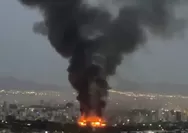
A widely circulated video shows thick plumes of smoke rising from the Haifa area, specifically from the site of Israel’s largest oil refinery operated by the Bazan Group.
The strike occurred overnight and is widely believed to be a retaliatory move by Tehran in response to the escalating hostilities in recent weeks.
According to an investigative report by the BBC, the authenticity of the video has been verified using reverse image searches of multiple keyframes, matched against agency images and satellite visuals. The conclusion is clear: the attack on the refinery did happen.
Israeli media reports confirm that Bazan Group stated Iranian missiles had indeed struck the complex, causing substantial damage to pipeline infrastructure and transmission systems.
While the core oil refining activities at the site are reportedly still operational, several auxiliary facilities have been shut down—a clear indicator of the significant impact inflicted on Israel's energy backbone.
This strike is not only a severe blow to Israel’s energy sector but also presents a strategic threat to its military readiness.
Refineries like the one in Haifa are integral to sustaining the logistical operations of the Israel Defense Forces (IDF).
Should the facility become fully incapacitated, Israel’s ability to maintain ongoing military campaigns could be seriously hampered.
In contrast, Iran enjoys a significant geographical advantage.
Its vast territory allows for greater flexibility in relocating or concealing strategic assets.
Israel, with its considerably smaller land area, remains vulnerable to cross-border attacks from multiple fronts.
Though Israeli forces have reportedly succeeded in striking key Iranian installations, these have had limited impact.
Iran’s counterattacks have proven more extensive and damaging.