KLIK SAJA - UK Prime Minister Sir Keir Starmer has called for renewed diplomatic negotiations rather than a further escalation of the ongoing conflict between Israel and Iran.
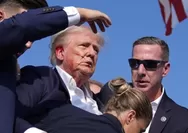
His latest remarks come amid reports that US President Donald Trump is considering joining Israeli strikes.
While Trump has reportedly approved military plans, he has yet to make a final decision—leaving military analysts uncertain and raising concerns over a conflict that seems to be losing strategic direction.
Responding to reports that UK military advisors have recommended limiting Britain’s involvement to defensive support, Sir Keir emphasized, “The nuclear issue does need to be addressed, but it is far better resolved through negotiation rather than conflict.”
When pressed about any legal advice he may have received from Lord Hermer, the Prime Minister responded, “Attorney General advice is never disclosed by any government,” but reaffirmed that “the core principle guiding us is de-escalation.”
Sir Keir further stated, “We are all deeply concerned about Iran’s ongoing nuclear development program. At the same time, we recognize Israel’s right to self-defense. But we must de-escalate—the risk of further escalation in the region is both real and dangerous.”
As speculation grows regarding potential UK involvement should the United States choose to intervene, the Conservative Party has voiced support for assisting the US in its stance against Iran.
There are suggestions that the US may look to utilize the British military base at Diego Garcia in the Indian Ocean to launch its B-2 stealth bombers.
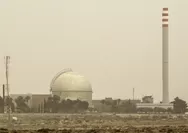
These aircraft—known as "bunker busters"—are believed to be capable of destroying Iran’s underground nuclear enrichment facility in Fordo.
Israel has justified its military operations by claiming Iran’s nuclear weapons program poses an "imminent" and "existential" threat, although Iran insists its nuclear ambitions are purely peaceful.
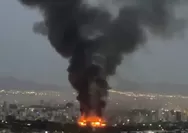
The two countries have exchanged fire over the past several days following Israeli airstrikes, which Tel Aviv claimed were aimed at preventing Iran from advancing its nuclear weapons capabilities.
Last year, the UK played a role in helping Israel defend itself against Iranian missile and drone attacks during a tense regional confrontation.
According to the International Atomic Energy Agency (IAEA), Iran has amassed enough uranium enriched up to 60% purity—just a short technical step from the 90% weapons-grade level—to potentially build nuclear weapons.
Iran’s Deputy Foreign Minister, Saeed Khatibzadeh, has denied the allegations and blamed Israel for initiating the conflict.